
Choosing DevOps Tools – Why Most Teams Get It Wrong
If you think picking the best DevOps tools is just about finding the shiniest logo or whatever your competitor uses, you’re setting yourself up for a world of pain. The right DevOps stack isn’t one-size-fits-all. It’s a tactical decision that can make or break your deployment pipeline, your sanity, and probably your weekend plans.
The best DevOps tools for your organization are those that fit your workflow, integrate with your existing systems, scale with your needs, and don’t require a PhD in YAML to operate. Start by mapping your pain points, then match tools to your real problems – not the other way around.
DevOps Tools – What Are They Really?
devops tools are the gadgets, platforms, and frameworks that help teams automate, monitor, test, and deploy software – ideally without setting their hair on fire. These tools cover areas like:
- Continuous Integration and Continuous Delivery (CI/CD) – automate code merges, builds, and deployments
- Configuration Management – keep your infrastructure consistent and predictable
- Containerization & Orchestration – manage your microservices zoo instead of letting it manage you
- Monitoring & Logging – know when something blows up before your users do
- Collaboration & Issue Tracking – keep your team from communicating exclusively in insults
DevOps tools are the backbone of modern software delivery. They consist of open-source projects, commercial suites, scripts, and SaaS platforms.
DevOps Toolchain
Your toolchain is the combination of systems you stitch together – from GitHub or GitLab for code hosting, to Jenkins or CircleCI for CI/CD, Docker for containers, Kubernetes for orchestration, Ansible or Terraform for infrastructure, Prometheus for monitoring, and so on. The choices are endless. The headaches, also endless.
How to Choose the Best DevOps Tools for Your Organization
This isn’t a shopping spree. Here’s how to actually make a decision that won’t haunt you in six months:
- Define Your Requirements
- What’s truly broken in your current workflow?
- Are you deploying monoliths, microservices, or something in between?
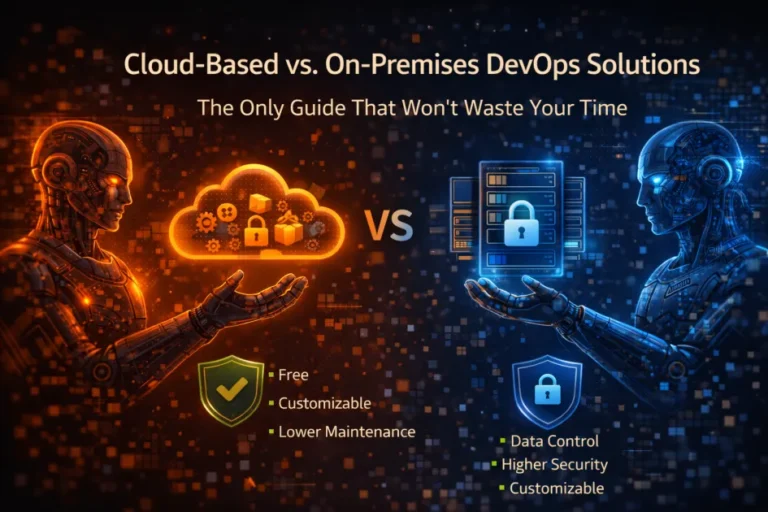
- Cloud-native, hybrid, or still convincing management to leave the data center?
- Map Existing Systems
- What platforms, frameworks, and programming languages do you already use?
- Are you locked into AWS, Azure, or Google Cloud?
- Do you need tools that play nice with legacy tech (bless your soul)?
- Prioritize Integration & Automation
- Can the tool integrate with your source control, ticketing, and chat apps?
- Does it support automation hooks and APIs, or does it require dark magic?
- Evaluate Scalability & Security
- Will this scale when your user base explodes (or when you add that next microservice)?
- What’s the security model – does it protect secrets, offer RBAC, or leave your keys in plaintext?
- Check Community Support & Documentation
- Is this tool actively maintained, or is the last commit from 2019?
- Can you find answers without sacrificing your weekend to Stack Overflow?
- Start Small – Pilot and Iterate
- Test the tool in a non-production environment
- Measure impact on your build and deployment times
- Get feedback from people who’ll actually use it, not just those who love filling out surveys
Comparison | DevOps Tool Categories
| Category | Popular Tools | Best For |
|---|---|---|
| CI/CD | Jenkins, GitHub Actions, GitLab CI, CircleCI | Automating build, test, and deployment pipelines |
| Configuration Management | Ansible, Chef, Puppet, Terraform | Managing infrastructure as code, server configs |
| Containerization | Docker, Podman | App packaging, microservices, portability |
| Orchestration | Kubernetes, Docker Swarm | Scaling and managing containers in production |
| Monitoring/Logging | Prometheus, Grafana, ELK Stack, Datadog | Observability, metrics, and log analysis |
| Collaboration | Slack, Jira, Trello | Team communication, task management |
Common Mistakes When Selecting DevOps Tools
- Chasing trends – Just because everyone’s talking about Kubernetes doesn’t mean you need it for your three-page website.
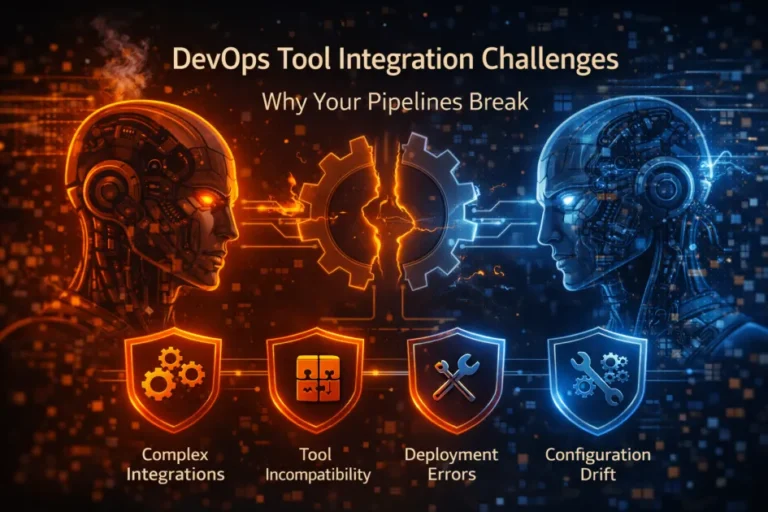
- Ignoring legacy systems – If your ancient ERP can’t talk to your shiny new CI tool, you’re in for a world of duct tape and late nights.
- Over-complicating the stack – More isn’t better. Every tool you add is another point of failure.
- Skipping training – If nobody knows how to use the tool, it’s just shelfware with a cool logo.
- Assuming open source equals free – Time is money. Some “free” tools can cost a fortune in maintenance headaches.
Best Practices – What Actually Works
- Focus on interoperability – Pick tools that play well together and support open standards.
- Automate everything you can, but not what you shouldn’t – Don’t automate chaos. Fix your process first.
- Measure real outcomes – Track deployment frequency, failure rates, and recovery times. If the tool isn’t moving these needles, question why you’re using it.
- Iterate constantly – The perfect stack doesn’t exist. Your needs change, so should your tools.
Real-World Example
One engineering team swapped a homegrown CI system for GitHub Actions and cut build times by 40%. But when they tried to plug in a fancy monitoring tool with zero documentation, it tanked their rollout. Lesson: the best tool is the one your team can actually use, not the one with the flashiest dashboard.
FAQ
How do I know if a DevOps tool is compatible with my stack?
Check for official integrations, community plugins, and API support. Test it in a sandbox before committing. If it needs a 300-page manual just to connect to your repo, run.
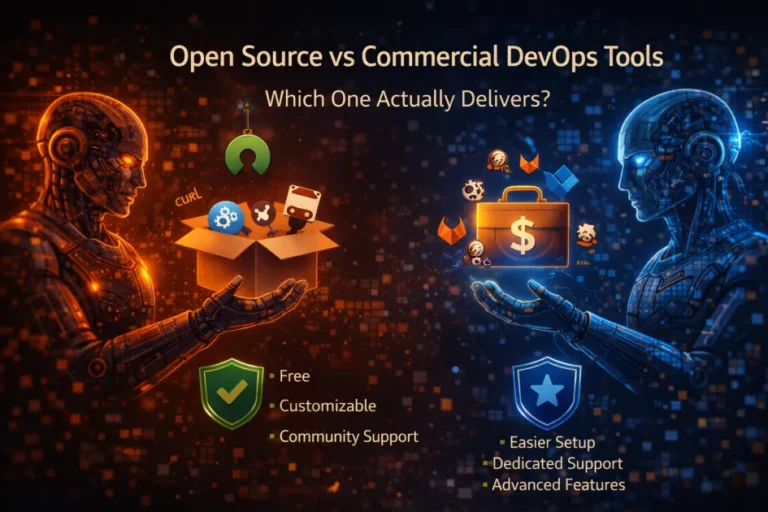
Should I go all-in on open source or pay for commercial tools?
Open source offers flexibility but can drain resources if poorly documented. Commercial tools may cost more but usually come with support, security, and fewer grey hairs.
How often should we revisit our DevOps toolset?
At least annually. Technology evolves, and today’s “must-have” tool is tomorrow’s abandonware. Review after any major workflow change or tech migration.
What’s the biggest red flag when picking a new tool?
If maintenance is slow, community is dead, or nobody on your team understands it, that’s your sign to keep looking.
Can a DevOps tool help with AI model deployment?
Absolutely. Many CI/CD and orchestration tools (like Docker, Kubernetes, Jenkins) are ideal for moving machine learning models from test to production.
Final Thoughts
Choosing the best DevOps tools isn’t a beauty contest. It’s a survival strategy. Make decisions based on what your team actually needs and what your systems can handle. Test, iterate, and don’t be afraid to throw out what doesn’t work.