So, What Are DevOps Tools Anyway?
Let’s skip the fluffy intros. You want to know what DevOps tools are and whether you need to care. Here’s the answer, plain and simple:
Devops tools are software applications and platforms designed to automate, streamline, and connect the different stages of software development and IT operations, making life (slightly) less painful for teams who have better things to do than troubleshoot the same issue for the hundredth time.
In other words, think of DevOps tools as the unglamorous glue holding together code, infrastructure, deployment, and monitoring. If you’re allergic to manual labor and repetitive tasks, you’re about to find some new favorites and maybe a few nemeses.
What Makes a Tool “DevOps”? (Hint: It’s Not Just a Fancy Logo)
DevOps isn’t a tool or a single product. It’s a philosophy that expects developers and IT folks to stop blaming each other and start collaborating. The tools? They’re the power-ups that actually make this truce work.
- Automation – Goodbye, manual deployments and “it works on my machine” excuses.
- Continuous Integration (CI) – Automate code testing and merging so you don’t have a meltdown every Friday at 4:55pm.
- Continuous Delivery (CD) – Ship updates fast, with fewer disasters.
- Collaboration – Shared pipelines, shared responsibility, shared blame.
- Monitoring & Feedback – Catch problems before your customers do (or at least pretend you tried).
If a tool helps with these, it’s probably wearing the DevOps hat.
Core Categories of DevOps Tools (A.K.A. The Usual Suspects)
There’s no single “DevOps toolbox.” Instead, you mix and match from categories like a kid gone wild in a candy store, except the sugar high is just more reliable deployments.
| Category | What It Does | Popular Examples |
|---|---|---|
| Version Control | Track code changes, avoid chaos | Git, GitHub, GitLab, Bitbucket |
| Continuous Integration / Delivery | Automate testing, builds, deployment | Jenkins, CircleCI, Travis CI, GitHub Actions |
| Configuration Management | Make servers behave consistently | Ansible, Puppet, Chef, SaltStack |
| Containerization | Package software and dependencies | Docker, Kubernetes, OpenShift |
| Monitoring & Logging | Spot issues, track performance | Prometheus, Grafana, ELK Stack, Datadog |
| Collaboration & Issue Tracking | Keep teams (sort of) organized | Jira, Trello, Slack, Microsoft Teams |
If you’re feeling overwhelmed, welcome to DevOps. Nobody said this was going to be simple.
How DevOps Tools Actually Work (And Why You Should Care)
Here’s the short version: DevOps tools automate the boring bits, catch mistakes before they hit production, and let teams focus on building things instead of firefighting.
- Developers write code and push it to a version control repository.
- CI tools automatically run tests and build the code.
- CD tools deploy the code to staging or production (sometimes with a single click, sometimes after a ritual sacrifice).
- Configuration management ensures the servers are set up exactly how you want, every time.
- Containers let you package your app to run anywhere (yes, even on that weird test server).
- Monitoring tools let you see what’s breaking, ideally before your boss does.
The result? Faster releases, fewer meltdowns, and just a smidge more sanity. If you’re in data science, you’ll notice that reproducibility and automation are a huge deal in R programming too.
Why DevOps Tools Matter (Besides Giving You Free Stickers)
Nobody adopts DevOps tools because they want to install another plugin or memorize another YAML file format. They do it because the alternative is worse: slow releases, endless outages, and teams that communicate solely through passive-aggressive comments.
- Speed – Ship features fast, fix bugs faster.
- Stability – Fewer “surprise” outages at 2 AM.
- Collaboration – Developers and IT finally play nice (most days).
- Visibility – See what’s happening, track issues, and stop relying on hope as a strategy.
In other words, DevOps tools let you scale up, recover quickly, and (maybe) take a weekend off.
Common DevOps Headaches (And How to Dodge Them)
Of course, it’s not all unicorns and lightning-fast deployments. Here’s what trips up most beginners:
- Trying to automate everything at once – Start small. Automate what hurts most.
- Ignoring culture – Tools don’t fix broken teams. Communication still matters.
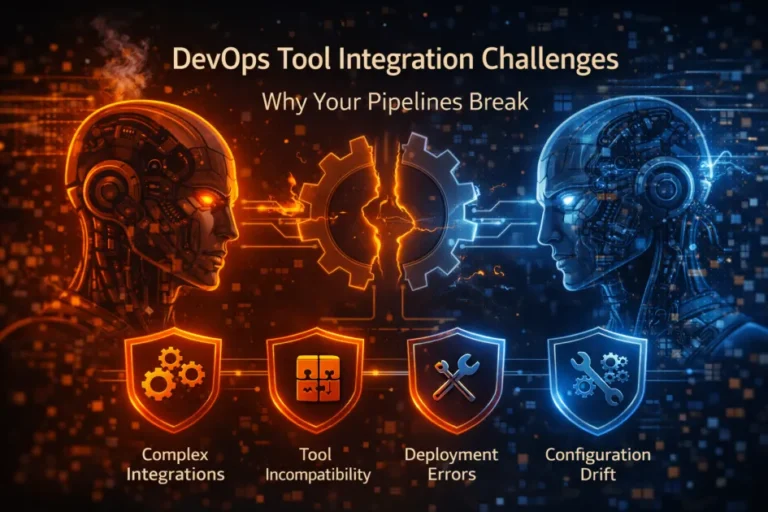
- Overcomplicating pipelines – Simple is better than clever. Debugging a 50-step pipeline is nobody’s idea of fun.
- Forgetting about security – “It works” isn’t enough. Make sure it’s also safe.
DevOps Tools in Action | Real-World Examples (Not Fairy Tales)
Let’s get specific. Here’s what a real setup can look like:
- Code lives on GitHub.
- Pull requests trigger Jenkins to run automated tests.
- If tests pass, Jenkins deploys to a staging server using Docker containers.
- Ansible ensures servers are configured exactly right every time.
- Monitoring with Prometheus and Grafana catches memory leaks and performance spikes before customers do.
It’s not magic, but it beats SSH-ing into servers at midnight to restart things manually.
FAQ | Real Questions About DevOps Tools
- Is DevOps just for big companies?
No. Small startups use DevOps tools to move fast and stay sane. The headaches scale, but so do the benefits. - Do I need to learn every tool?
Absolutely not. Get good with the basics: version control, CI/CD, and monitoring. Expand as needed. - Are DevOps tools only for cloud environments?
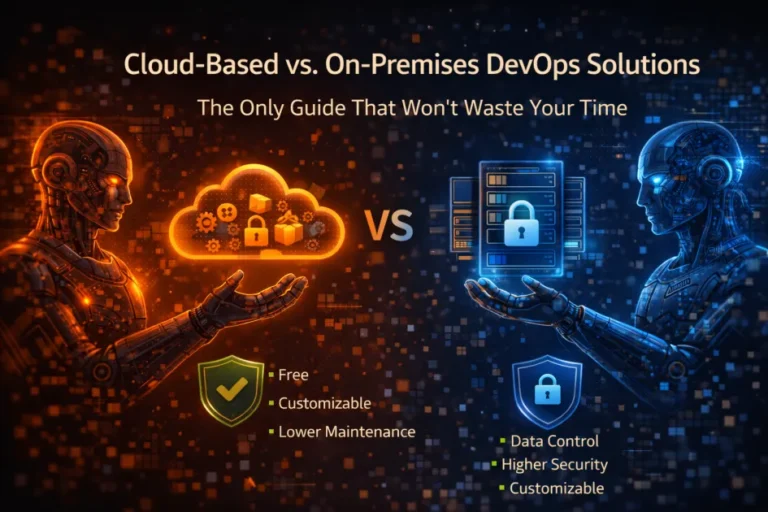
Nope. They work on-premises, in hybrid setups, or wherever you’re brave enough to deploy code. - Which tool should I start with?
Start with Git for version control and something like GitHub Actions or Jenkins for CI/CD. Add more as you go. - How do DevOps tools relate to data science workflows?
Automation, reproducibility, and collaboration matter for data too. The same principles apply – just swap out the buzzwords.
Final Thoughts | Don’t Overthink It
DevOps tools aren’t a silver bullet, but they do make the chaos of building and running software less soul-crushing. Pick a few, automate the worst parts, and improve as you go. If you get hooked on this kind of practical tech guidance, the Technokrome newsletter goes way deeper on emerging tools and real-world best practices.