
Why Your DevOps Toolchain Is Probably a Mess (And How to Fix It)
Let’s get something straight: a “DevOps toolchain” isn’t just a stack of shiny tools you slap together and hope for the best. It’s the unglamorous backbone that keeps your code moving from “someone’s laptop” to “actual product” – without a dozen people screaming in Slack. A DevOps toolchain is a connected set of platforms, scripts, and automation that supports software delivery by combining development and operations tasks into a seamless workflow.
If you’re tired of broken builds, endless manual deployments, or that one “legacy” script written by someone who left three years ago, read on. This guide will show you how to assemble an effective DevOps toolchain, step by step, without losing your sanity (or at least, not all of it).
What Is a DevOps Toolchain, and Why Bother?
A devops toolchain refers to the collection of tools and processes that automate, integrate, and manage the entire software development lifecycle – from code commit to deployment and monitoring. This isn’t just about Jenkins and Docker stickers on your laptop; it’s about real-world efficiency.
- Continuous Integration (CI) platforms like Jenkins or GitHub Actions
- Version Control Systems (VCS) such as Git
- Configuration Management tools like Ansible or Chef
- Containerization with Docker or Kubernetes
- Monitoring using Prometheus, Grafana, or the ever-popular “watching logs scroll by in terror”
Each piece is supposed to make life easier. When set up right, your toolchain automates repetitive tasks, catches errors early, and lets you focus on actual development (or, you know, coffee).
Step-by-Step Guide – Building a Real DevOps Toolchain
Don’t overcomplicate things. Here’s how to actually set up a toolchain that doesn’t collapse under its own weight. No fairy tales, just the process:
- Decide What Problems You’re Trying To Solve
- Are you dealing with slow releases, inconsistent environments, or endless merge conflicts?
- Write down your pain points. If you say “none,” you’re lying.
- Choose Your Core Tools (Don’t Go Overboard)
- Pick a version control system. If you’re not using Git, start there.
- Set up a CI server (Jenkins, GitLab CI, CircleCI – pick your poison).
- Deploy with container orchestration like Kubernetes if you’re feeling brave, or just Docker Compose if you want life to be simple-ish.
- Add configuration management (Ansible, Chef, Puppet) to wrangle your environments.
- Toss in monitoring (Prometheus, Grafana, or Datadog) so you actually know when things break.
- Connect the Pieces
- CI/CD triggers on code commits. Tests run automatically. Deployments are handled with minimal human “magic.”
- Use webhooks to integrate tools. For example, have GitHub trigger your Jenkins pipeline.
- Automate rollback and notifications so you don’t have to watch everything 24/7.
- Automate Testing and Deployment Early
- Write tests. Real tests. Not the “TODO: write tests” kind.
- Set up staging environments with containerization so you avoid “works on my machine” syndrome.
- Push to production with a click or a commit – not a midnight ritual.
- Monitor and Iterate
- Set up dashboards and alerts. Pretend you’ll look at them regularly.
- Review your pipeline after every fire drill. Improve what’s broken instead of just cursing it.
Example Toolchain Setup
| Stage | Common Tools | Purpose |
|---|---|---|
| Source Code | Git, GitHub, GitLab | Version control, collaboration |
| Continuous Integration | Jenkins, CircleCI, GitHub Actions | Automated builds, testing |
| Configuration Management | Ansible, Chef, Puppet | Consistent environments |
| Containerization | Docker, Kubernetes | Deploy anywhere, scalability |
| Monitoring | Prometheus, Grafana, Datadog | Alerting, dashboards |
Common DevOps Toolchain Pitfalls (And How to Dodge Them)
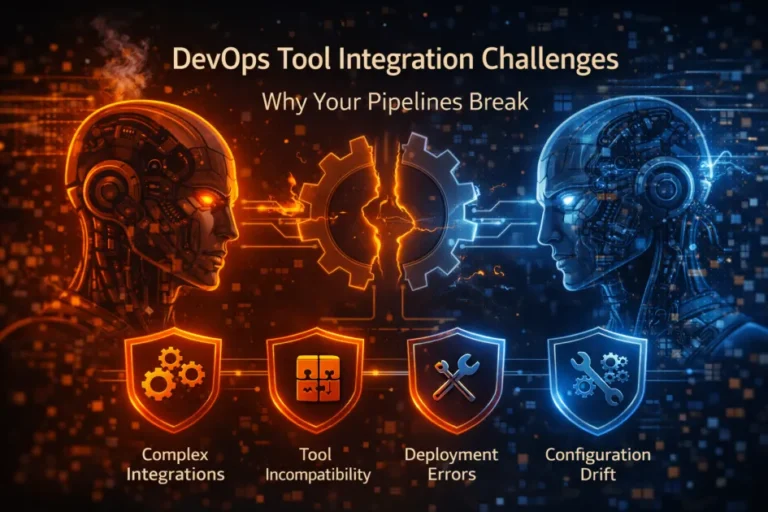
- Too Many Tools, Not Enough Integration: If your pipeline looks like a Rube Goldberg machine, it’s time to simplify. Pick tools that play nicely together. Avoid random plugins from 2012.
- No Real Automation: If you’re still SSH’ing into servers at 2 AM, your “automation” is a myth. Automate deployments, rollbacks, and even notifications.
- Ignoring Security: Don’t leave secrets in plain text. Use vaults and access controls from day one.
- Skipping Monitoring: If you don’t know it’s broken, you sure won’t fix it. Set up alerts (and resist the urge to mute them).
- Documentation Black Hole: If your setup only lives in someone’s head, it’s doomed. Use wikis, README files, or just anything written down.
Best Practices for a Sane DevOps Toolchain
- Keep it Modular: Swap tools in and out as your needs evolve. Don’t lock yourself into one vendor’s “ecosystem” unless you truly enjoy pain.
- Automate Everything That Hurts: If a manual step bugs you twice, script it.
- Start Small, Scale Smart: Don’t build a Google-sized pipeline for your weekend project. Grow your toolchain as your team and complexity increase.
- Embrace Containerization: Seriously, containers make life easier.
- Review Regularly: Your toolchain is never “done.” Improve as you go, before something explodes.
DevOps Toolchain – Key Terms Glossary
- Continuous Integration (CI): Automatically building and testing code after every commit.
- Continuous Deployment (CD): Shipping code to production automatically after passing tests.
- Containerization: Packaging code and dependencies into a single, portable unit.
- Orchestration: Managing and scaling containers automatically (usually with Kubernetes).
- Monitoring: Keeping an eye on your systems with tools that alert you to problems.
FAQ
What tools should every DevOps toolchain include?
At minimum, use Git for version control, a CI platform (Jenkins or GitHub Actions), a deployment tool (Docker, Kubernetes), and solid monitoring (Prometheus, Grafana). Configuration management (Ansible, Chef) is highly recommended.
How do you integrate security into a DevOps toolchain?
Automate security checks – use static code analysis, secrets scanning, and vulnerability scanning in your pipelines. Don’t wait for the security team to file a ticket after deployment.
What’s the fastest way to start if you’re new?
Don’t overthink it. Start with Git, set up GitHub Actions, use Docker for local development, and add a simple monitoring tool. Expand as you learn what you actually need.
How do you avoid toolchain sprawl?
Don’t chase hype. Choose tools with strong community support and proven integrations. Revisit your setup quarterly and prune what you don’t use.
Can a DevOps toolchain help with machine learning workflows?
Yes. Integrate model training, validation, and deployment steps into your CI/CD pipelines.
Final Tips
Building a DevOps toolchain is less “set it and forget it” and more “set it, fix it, and keep improving it.” Don’t let shiny new platforms distract you from the basics: automation, visibility, and not waking up at 3 AM to restart a server.
If you actually care about avoiding DevOps drama, sign up for the newsletter. It dives deeper into these nightmares – and how to survive them.